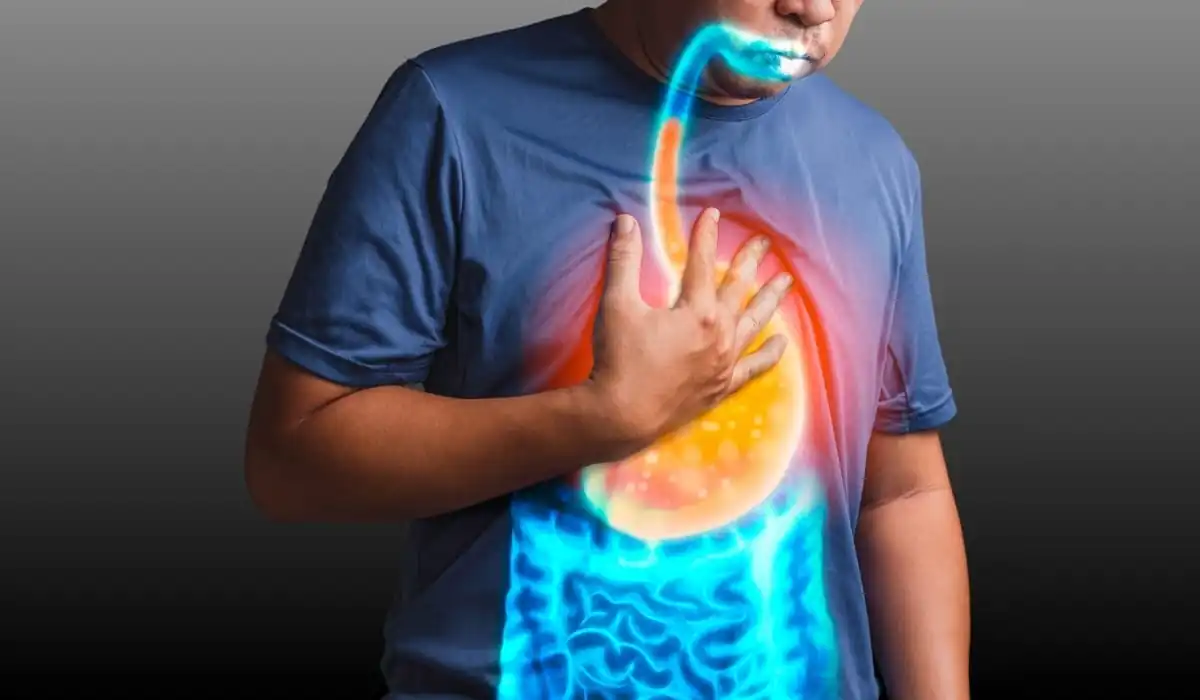
Gastro-oesophageal reflux disease (GERD) affects millions of Indians. While antacids provide immediate relief, long-term management requires a more comprehensive approach.
What is GERD?
GERD occurs when stomach acid regularly flows back into the oesophagus, causing heartburn, regurgitation, chest pain, and in chronic cases, oesophageal damage (erosive esophagitis or Barrett's oesophagus).
Lifestyle modifications (equally important as medication):
- Elevate the head of the bed by 6–8 inches
- Avoid meals within 3 hours of bedtime
- Reduce fatty foods, citrus, caffeine, alcohol and spicy food
- Maintain healthy body weight — even modest weight loss reduces symptoms significantly
- Quit smoking (smoking weakens the lower oesophageal sphincter)
When is endoscopy needed?
Dr. Parida recommends endoscopy for patients with: symptoms lasting more than 5 years, swallowing difficulties, weight loss, anaemia, or poor response to medication. Endoscopy can diagnose Barrett's oesophagus, a precancerous change requiring surveillance.
Long-term medication safety:
Proton pump inhibitors (PPIs) are safe for most patients when used as prescribed. Dr. Parida takes a careful approach to PPI therapy — prescribing the lowest effective dose and reassessing regularly to avoid unnecessary long-term use.
Dr. Suryakanta Parida
MBBS, MD (Medicine), DM (Gastroenterology) · Associate Professor, SCB Medical College, Cuttack
Dr. Parida is a DM Gastroenterologist with 15+ years of clinical experience, combining academic excellence with compassionate patient care.